
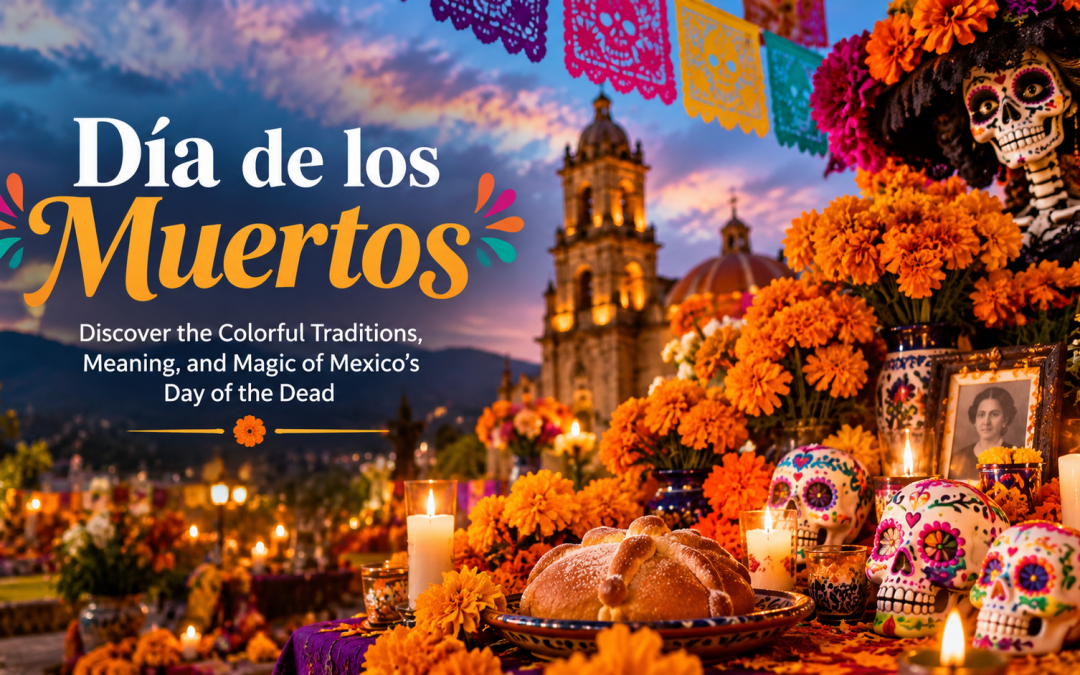
More Than a Celebration: Discover the Magic of Día de los Muertos
What if death wasn’t a time to say goodbye, but an opportunity to welcome loved ones home?
Every year, as autumn settles in, Mexico transforms into a breathtaking celebration of life, memory, and family. Streets glow with candles, vibrant orange marigolds decorate homes and cemeteries, beautifully crafted sugar skulls fill market stalls, and families gather to honor those who came before them.
This is Día de los Muertos, or the Day of the Dead—one of Mexico’s most meaningful and visually stunning cultural traditions.
But behind the colorful decorations and festive atmosphere lies a deeper story. One rooted in remembrance, love, and the belief that the bonds we share with those we’ve lost can never truly disappear.
And there’s one beautiful tradition that captures the heart of this celebration in a way you might not expect…
What Is Día de los Muertos?
Día de los Muertos is a Mexican cultural celebration dedicated to remembering and honoring deceased family members and loved ones.
Traditionally observed on November 1 and 2, the celebration brings families together to create ofrendas, visit cemeteries, prepare favorite foods, share memories, and celebrate the lives of those who have passed away.
November 1 is commonly associated with remembering deceased children, while November 2 is generally dedicated to deceased adults. Customs can vary by region and family.
Although the celebration takes place around the same time as Halloween, Día de los Muertos has a distinct cultural and spiritual meaning. It is not simply a spooky holiday—it’s an expression of love, remembrance, family, and cultural identity.
The Meaning Behind the Most Beautiful Day of the Dead Traditions
Every flower, candle, photograph, and dish tells a story. Understanding these traditions makes experiencing Día de los Muertos even more meaningful.
1. Marigolds: The Flowers That Guide the Way
Bright orange and golden-yellow marigolds, known as cempasúchil, are among the most recognizable symbols of Día de los Muertos.
Their vibrant colors and distinctive fragrance are traditionally believed to help guide the spirits of loved ones back to the world of the living.
During the celebration, marigolds decorate altars, homes, streets, and graves, transforming ordinary spaces into extraordinary displays of remembrance.
2. Ofrendas: Altars Filled With Love
One of the most important traditions is the creation of an ofrenda, or offering altar.
Families decorate these altars with photographs of deceased relatives, candles, flowers, favorite foods, drinks, personal belongings, and other meaningful objects.
Each offering reflects the personality and memories of the person being honored.
An ofrenda isn’t simply a decoration. It’s a deeply personal expression of love, keeping family stories alive for future generations.
3. Sugar Skulls: Finding Beauty in Life and Death
Colorful sugar skulls, known as calaveras de azúcar, are another iconic feature of the celebration.
Often decorated with bright icing, intricate patterns, and names, these skulls represent the connection between life and death.
Rather than treating death only as something frightening, Día de los Muertos encourages people to remember their loved ones with warmth, humor, and affection.
4. Pan de Muerto: A Bread With a Special Meaning
No Day of the Dead celebration feels complete without pan de muerto, a traditional sweet bread prepared especially for the occasion.
Often flavored with orange blossom or citrus, this soft bread is commonly decorated with dough shaped to resemble bones.
Families enjoy it alongside hot chocolate, coffee, and other seasonal treats.
For travelers, tasting pan de muerto is a delicious way to connect with the culinary traditions of this special time of year.
5. Candlelit Cemeteries and Family Gatherings
In many communities, families visit cemeteries to clean and decorate graves, light candles, place flowers, share food, and spend time remembering loved ones.
Some gatherings continue late into the night, creating moving scenes of candlelight, music, conversation, and remembrance.
These experiences reveal the heart of Día de los Muertos: the celebration isn’t just about honoring the past. It’s about keeping family connections alive in the present.
Where to Experience Día de los Muertos in Mexico
If you’re planning a cultural getaway, Día de los Muertos (Day of the Dead) is a wonderful opportunity to experience Mexico’s rich traditions, history, and local communities beyond its beaches and popular tourist attractions.
Oaxaca
Known for its rich Indigenous heritage, Oaxaca celebrates Día de los Muertos with colorful altars, traditional foods, marigold decorations, and lively cultural events. It’s an excellent destination for travelers who want to learn about the meaning and traditions behind the holiday.
Pátzcuaro and Lake Pátzcuaro
In Michoacán, the communities around Lake Pátzcuaro are known for their deeply rooted Day of the Dead traditions. Families honor loved ones through candlelit cemetery gatherings, floral decorations, and other meaningful acts of remembrance.
Mexico City
Mexico City offers a more urban celebration, with public festivities, elaborate decorations, cultural exhibitions, and colorful displays featuring La Catrina, one of the holiday’s most recognizable symbols. Events and parade schedules vary each year.
San Miguel de Allende
This historic city provides a charming setting for seasonal cultural events, artistic displays, traditional altars, and festive decorations. Its picturesque streets and colonial architecture add to the atmosphere during the holiday.
Travel Tip: Plan your trip well in advance, as accommodations can fill up quickly around Día de los Muertos. Traditions and celebrations vary by community, so research local customs and check official event schedules before finalizing your itinerary. Remember that this holiday is primarily a time for honoring deceased loved ones, so approach cemetery visits and family ceremonies with respect.
When Is Día de los Muertos in 2026?
Día de los Muertos is traditionally observed on November 1 and 2, 2026.
Travelers may find related cultural events, markets, exhibitions, and public celebrations scheduled in the days leading up to the holiday.
If you want to experience the festivities, consider arriving a few days early to explore local markets, admire the decorations, and learn about the traditions before the main observances.
Día de los Muertos vs. Halloween: What’s the Difference?
Although they occur around the same time, these celebrations have different purposes.
Halloween is commonly associated with costumes, trick-or-treating, haunted attractions, and spooky entertainment.
Día de los Muertos focuses on remembering deceased loved ones through family traditions, offerings, food, flowers, and community gatherings.
The two holidays can share visual elements, including skeleton imagery, but Día de los Muertos is a distinct cultural tradition with its own history and significance.
Visitors can show appreciation by learning about its meaning and respecting the customs of the communities they visit.
Travel Tips for Experiencing Day of the Dead Respectfully
Want to make your visit memorable for the right reasons? Keep these tips in mind.
- Learn before you go. Understand the significance of ofrendas, cemetery visits, and local traditions.
- Book early. Reserve flights and accommodation ahead of this popular travel period.
- Respect private ceremonies. Ask permission before photographing people, family altars, or intimate gatherings.
- Support local communities. Purchase handmade crafts, enjoy traditional food, and consider locally operated tours.
- Dress comfortably. Expect walking, crowds, and potentially cool evenings, depending on your destination.
- Check local guidance. Public events and cemetery access rules can differ between communities.
The most rewarding way to experience Día de los Muertos is not simply to watch the celebration, but to understand the stories and people behind it.
The Beautiful Lesson Behind Día de los Muertos
Perhaps the most extraordinary thing about Día de los Muertos is how it changes the way we think about remembrance.
A photograph becomes a story. A favorite meal becomes a connection. A flower becomes a symbol of welcome. And a gathering of family becomes a reminder that love continues through the memories we carry.
In a world that often struggles to talk about loss, this Mexican tradition creates space for grief, gratitude, laughter, and celebration to exist together.
It reminds us that the people who shape our lives remain part of our stories, even when they are no longer physically with us.
And that may be the most beautiful discovery of all.
Experience the Magic of Día de los Muertos
From the glow of candlelit cemeteries to the scent of marigolds and the sweetness of pan de muerto, Día de los Muertos offers travelers a cultural experience unlike any other.
It’s a chance to discover Mexico’s traditions, taste its seasonal cuisine, explore historic destinations, and witness the extraordinary ways communities honor the people they love.
So, if you’re dreaming of a trip filled with culture, color, history, and meaning, consider adding Día de los Muertos in Mexico to your travel bucket list.
Because sometimes, the most unforgettable journeys don’t just show us a new place. They help us see life—and the people who make it meaningful—in a completely different way.